Young horses require vitamins for growth. Some vitamins must be provided nutritionally, while others can be synthesized by the healthy individual. While vitamin D gets the lion’s share of attention for skeletal contributions, other vitamins are just as important, including vitamins A, C, and K. Vitamin A has a distinct
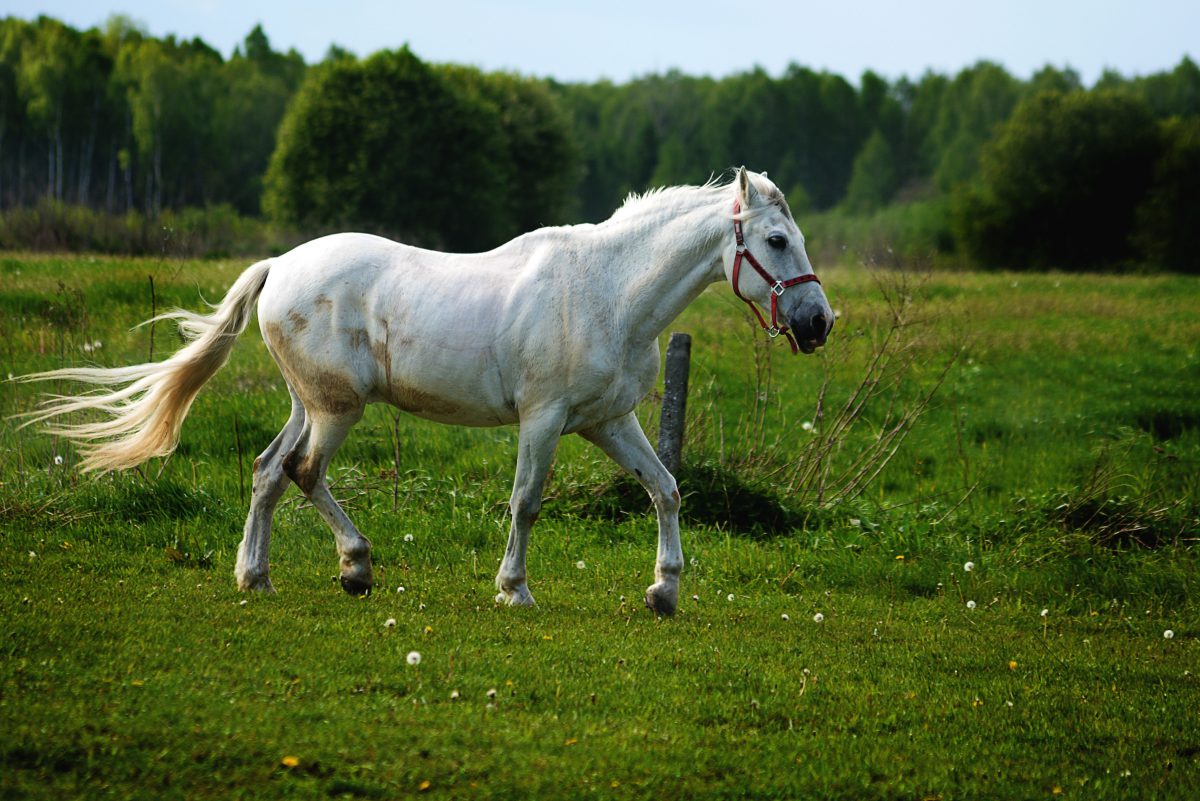
Has your horse decided that gobbling his grain is no longer as fun as it once was? Has he slowed his eating so much that he requires hours to finish a meal he once would devour in mere minutes? Horses lose their appetite for a variety of reasons. One lesser-known
Vitamin E (alpha-tocopherol) supplementation helps prevent various disorders affecting both the nervous and musculoskeletal systems, including neuroaxonal dystrophy/equine degenerative myeloencephalopathy, equine motor neuron disease, vitamin E deficient myopathy, and nutritional myodegeneration. These conditions can be prevented largely by providing adequate dietary vitamin E to horses, and recent research shows* that
Horses require vitamin E in their diets for many biological functions. One of vitamin E’s most well-known roles is as a powerful antioxidant that promotes health of muscle and nerve cells. Because it is fat-soluble, vitamin E must be consumed with dietary fat in order to be properly absorbed in
Exercise requires an integration of many systems, each containing varied elements, and any factor that upsets this integration could cause fatigue. Horse owners often have trouble identifying fatigue because its multidimensional nature varies with activity, training and physiological status of the individual, and environmental conditions. The onset of fatigue is